Vyta - IT Lifecycle Solutions
Case Study: Custom Reusable Laptop Storage Boxes for Vyta
When Vyta needed a smarter way to store and transport laptops, cardboard simply wasn’t going to cut it.
Vyta works at the sharp end of IT lifecycle management and secure data destruction. That means high volumes of laptops moving through facilities, across sites and into secure processing environments. Protection, organisation and repeat use are not luxuries. They are operational essentials.
That is where Reusable Box stepped in.
The Brief
Vyta required a durable, stackable and long term storage solution for housing multiple laptops safely in transit and storage.
The boxes needed to:
-
Protect valuable IT assets
-
Withstand repeated handling
-
Stack securely without collapse
-
Offer easy handling for teams on site
-
Maintain a clean, professional branded finish
This was not a one use packaging job. This was infrastructure.
Our Approach
We designed a fully bespoke reusable corrugated plastic box built for strength and repetition.
Key Features:
-
Heavy duty corrugated plastic construction
-
Reinforced riveted corners for structural integrity
-
Integrated carry handles for easy lifting
-
Secure lid with fastening system
-
Internal dividers to separate and protect individual laptops
-
Stackable design for efficient warehouse storage
-
Vyta branding applied for a professional finish
These boxes are built to be used again and again, not flattened and forgotten.
The internal dividers were particularly important. Laptops are high value but also high risk if poorly stored. The structured compartments prevent device to device contact, reducing scratches, pressure damage and accidental impact.
The Result
What Vyta now has is not packaging. It is an operational asset.
Instead of cycling through endless cardboard cartons, they have a robust, reusable system that:
-
Reduces damage risk
-
Improves organisation
-
Speeds up handling
-
Cuts long term packaging spend
-
Supports sustainability goals
Stacked high, uniform and secure, these boxes bring order to what could otherwise be a chaotic flow of devices.
For businesses managing large volumes of IT equipment, the right box is not just a container. It is control. It is protection. It is long term cost efficiency disguised as a simple black box.
Designing a Reusable Box for Google VR Headsets
When transporting high-value equipment, protection is always the priority. But sometimes, the real challenge isn’t just keeping something safe… it’s making it usable once it arrives.
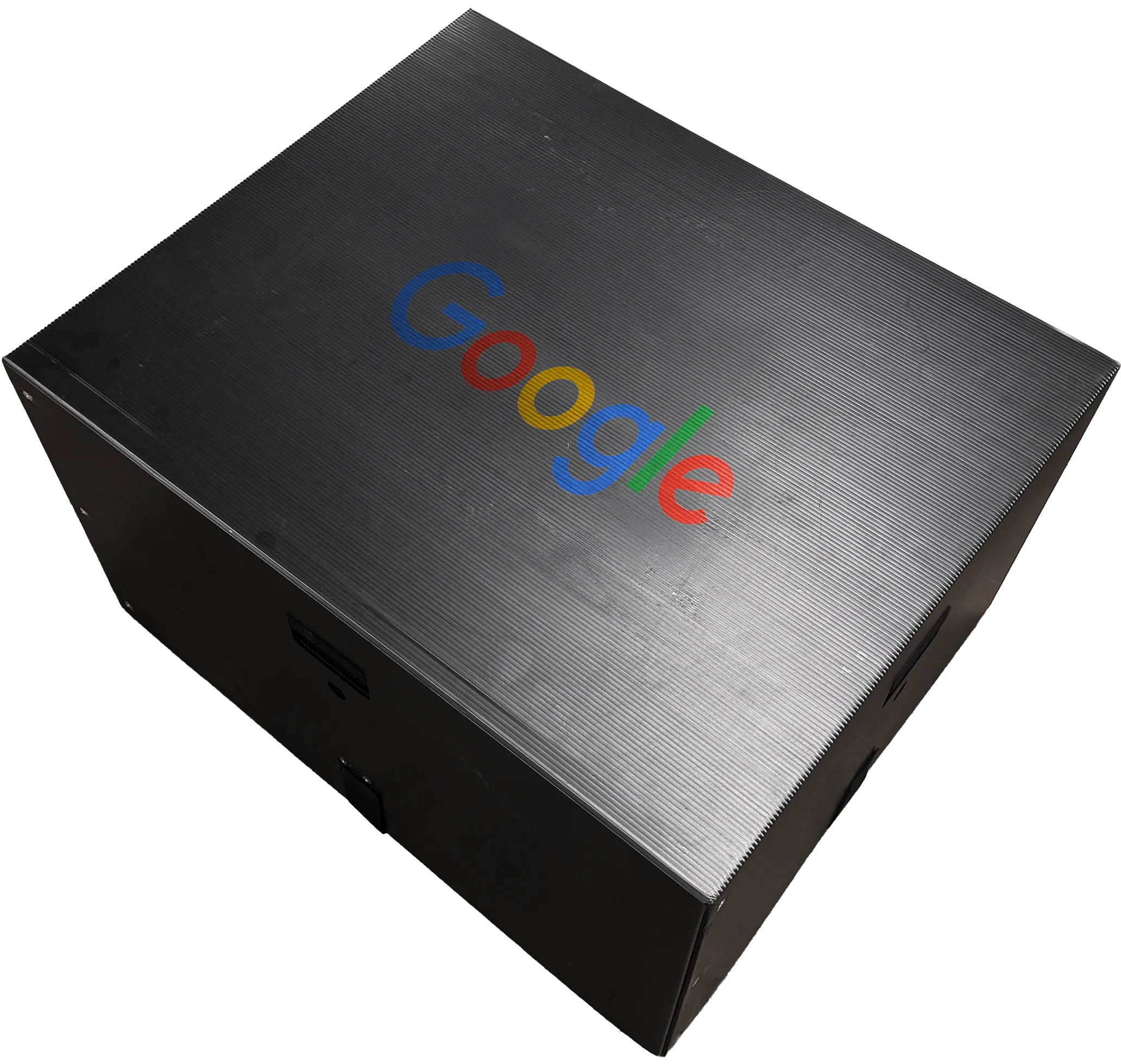
That was exactly the case when we were approached to create a reusable box for a Google VR headset demo pack.
The equipment itself was robust, but the overall unit was heavy. Really heavy. The kind of weight that makes a standard lift-out box awkward, slow, and potentially risky for the person handling it. Especially in event environments where speed matters and setups need to be done quickly.
A traditional box design would have meant lifting the headset vertically out of a deep container. Not ideal. Not safe. And definitely not practical when this was going to be used repeatedly across different locations.
So instead of designing around protection alone, we focused on how the box would actually be used in the real world.
The solution was simple in concept, but powerful in practice.
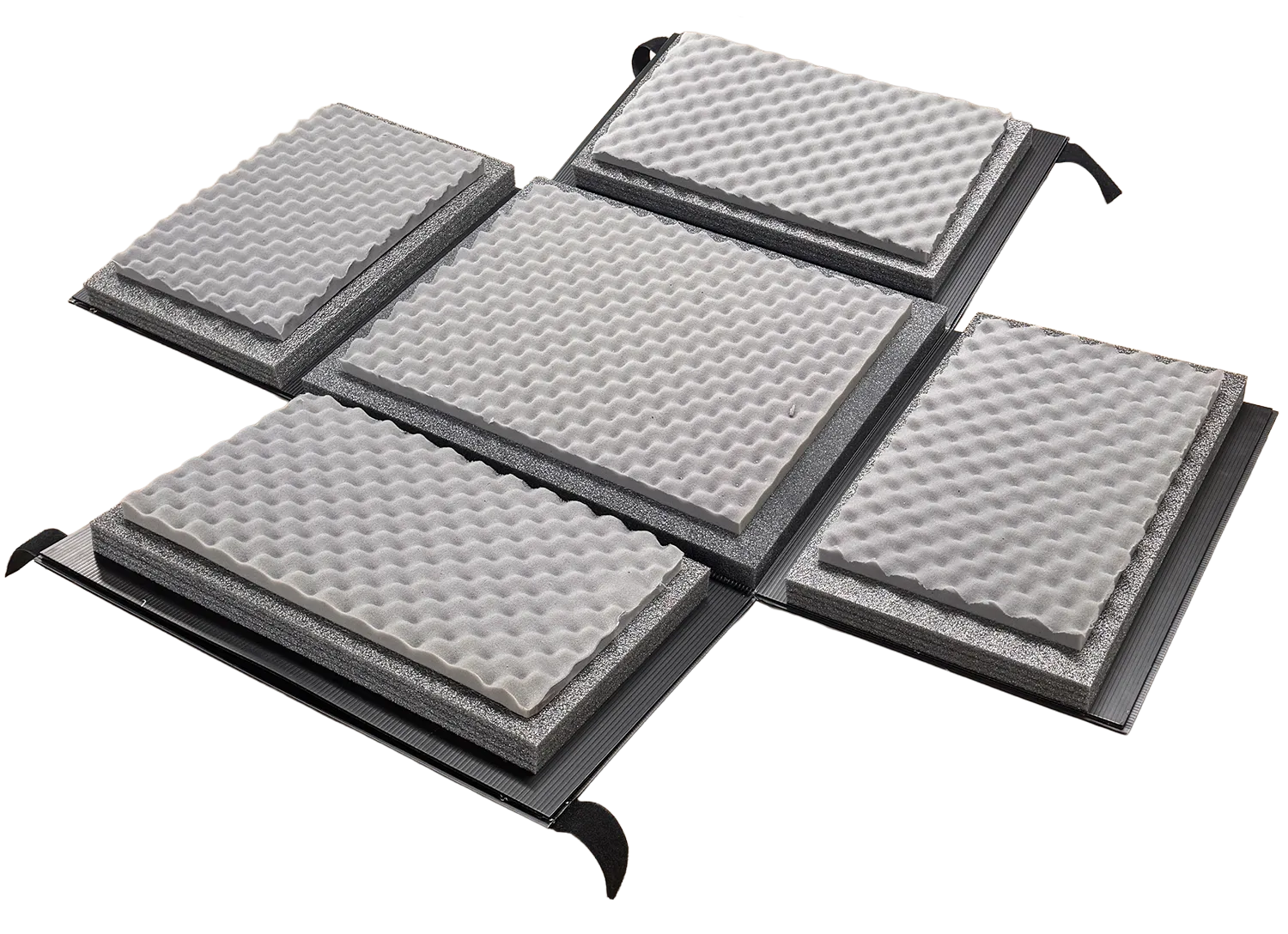
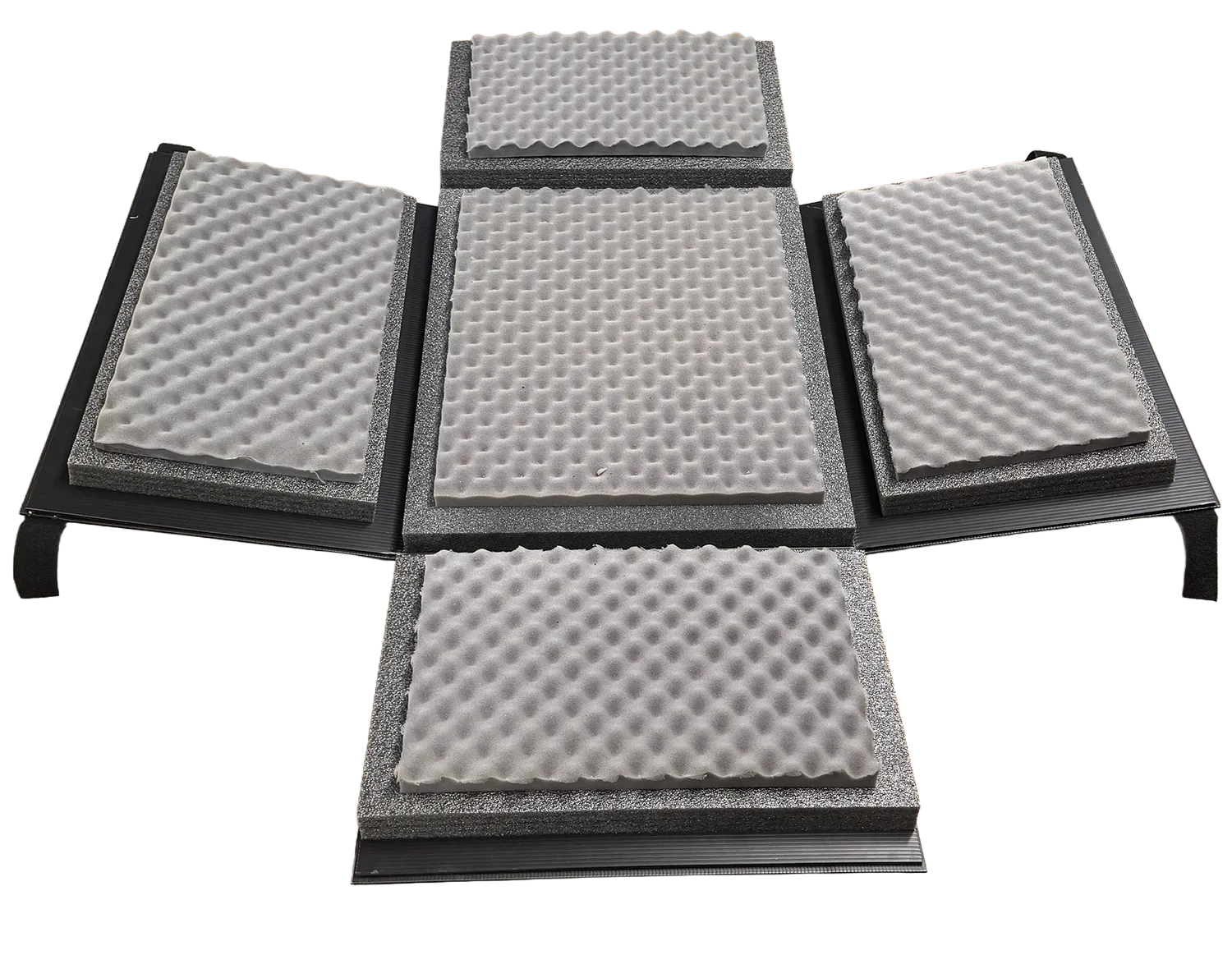
We created a fully reusable correx box with collapsible sides. Rather than lifting the headset out, the user can open the box and drop the sides down flat. This gives full access to the contents from above and from all sides, removing the need for any awkward lifting.
It turns what would have been a two-person job into something much more manageable.
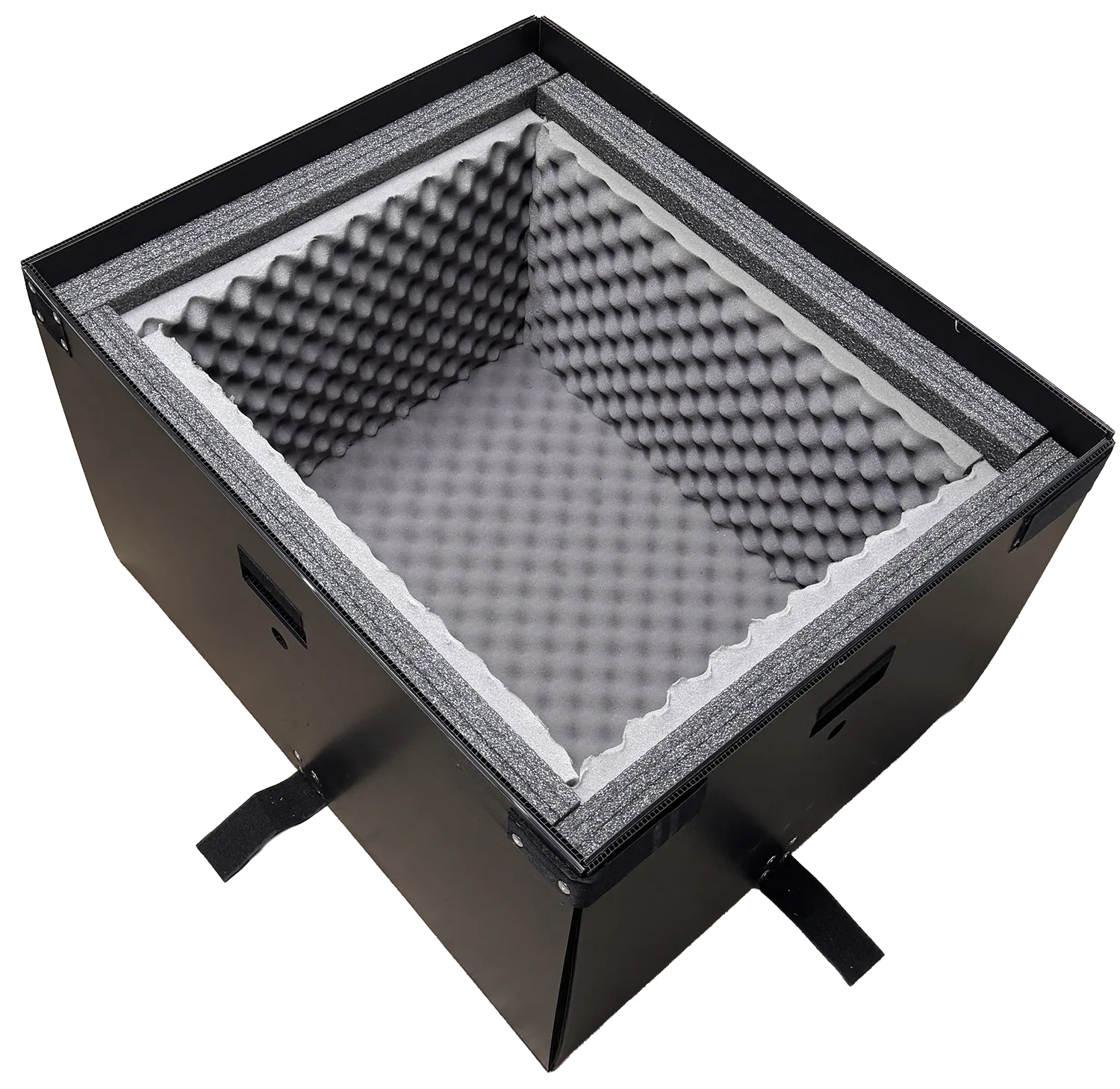
Inside, the headset and components are protected with custom foam inserts. A combination of dense base foam and softer egg-box foam keeps everything secure during transit, while also cushioning against impact.
Like all of our reusable boxes, it’s designed to be used again and again. Durable enough to handle transport, lightweight enough to move easily, and built specifically around the product it’s protecting.
But what really makes this one stand out is how it changes the experience for the end user.
It’s not just a box you open. It’s a box that opens with you.
For teams working in events, tech demos, or exhibitions, that small shift makes a big difference. Faster setup. Safer handling. Less strain. And a much smoother process from start to finish.
It’s a good example of what happens when packaging is designed not just for transit, but for the people using it.