

The Hidden Cost of Single-Use Packaging in Warehouse Operations
The Hidden Cost of Single-Use Packaging in Warehouse Operations
In the fast-paced world of warehouse logistics, operational efficiency is everything. Yet many facilities continue to rely on single-use packaging — cardboard boxes, shrink wrap, and disposable totes — without realising the long-term costs they introduce.
What seems like a cheap, convenient option on the surface can silently erode warehouse budgets, waste time, and hold your business back from reaching its sustainability goals. Here’s why forward-thinking procurement professionals are rethinking their packaging strategy.
1. Repeat Costs Add Up Fast
While a single cardboard box might cost pennies, multiply that across thousands of weekly shipments, damaged returns, and supplier transfers, and you’re looking at a recurring expense that never ends.
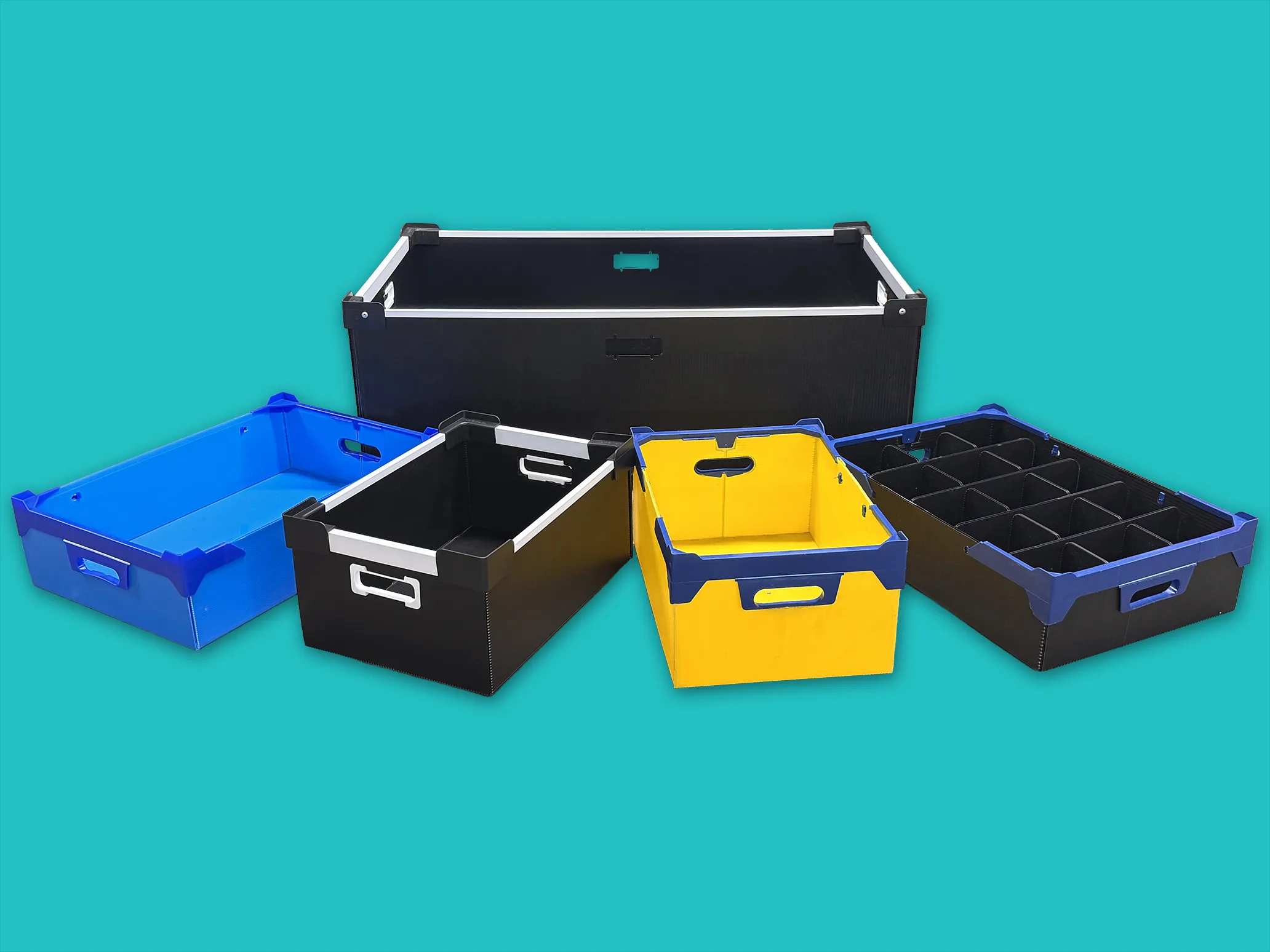
By contrast, reusable plastic containers are an upfront investment that quickly pays off — especially for operations with high turnover or closed-loop logistics.
2. Increased Waste Handling
Every time a cardboard box is discarded, it adds to your waste management burden. Sorting, baling, and disposing of packaging waste consumes both time and money — not to mention the space it takes up on your warehouse floor.
Reusable boxes cut waste volumes drastically, freeing up both labour and square footage.
3. Reduced Load Stability and Protection
Single-use packaging often fails under stress — especially in high-volume environments. Crushed corners, split seams, and rain-damaged cardboard mean product losses, slowdowns, and rework.
Heavy-duty reusable totes provide uniform stacking, structural integrity, and better product protection, especially during transit and racking.
4. Hidden Environmental Costs
If your business is working towards ESG or net-zero targets, your packaging choices matter. The carbon footprint of repeated single-use packaging manufacture and disposal can be significant.
Using reusable containers helps reduce your operation’s environmental impact — and demonstrates your commitment to sustainable procurement.
5. Missed Efficiency Gains
Stackable reusable boxes are designed to integrate into racking systems, conveyors, and pick/pack stations. This leads to faster handling, fewer errors, and improved warehouse flow.
Sticking with single-use boxes often means missed opportunities for automation, standardisation, and layout optimisation.
👉 Explore our Warehouse Storage Solutions
👉 Or Request a Free Quote to get started today.

5 Ways Reusable Storage Boxes Improve Warehouse Efficiency
5 Ways Reusable Storage Boxes Improve Warehouse Efficiency
In today’s fast-moving logistics and fulfilment environments, every minute and every metre of warehouse space counts. While many businesses focus on optimising software, labour, and racking systems, one often-overlooked element is the packaging itself.
Reusable storage boxes don’t just reduce waste — they actively improve warehouse efficiency in ways that benefit operations, procurement, and the bottom line.
Here’s how:
1. 🧱 Stackable Design Saves Space
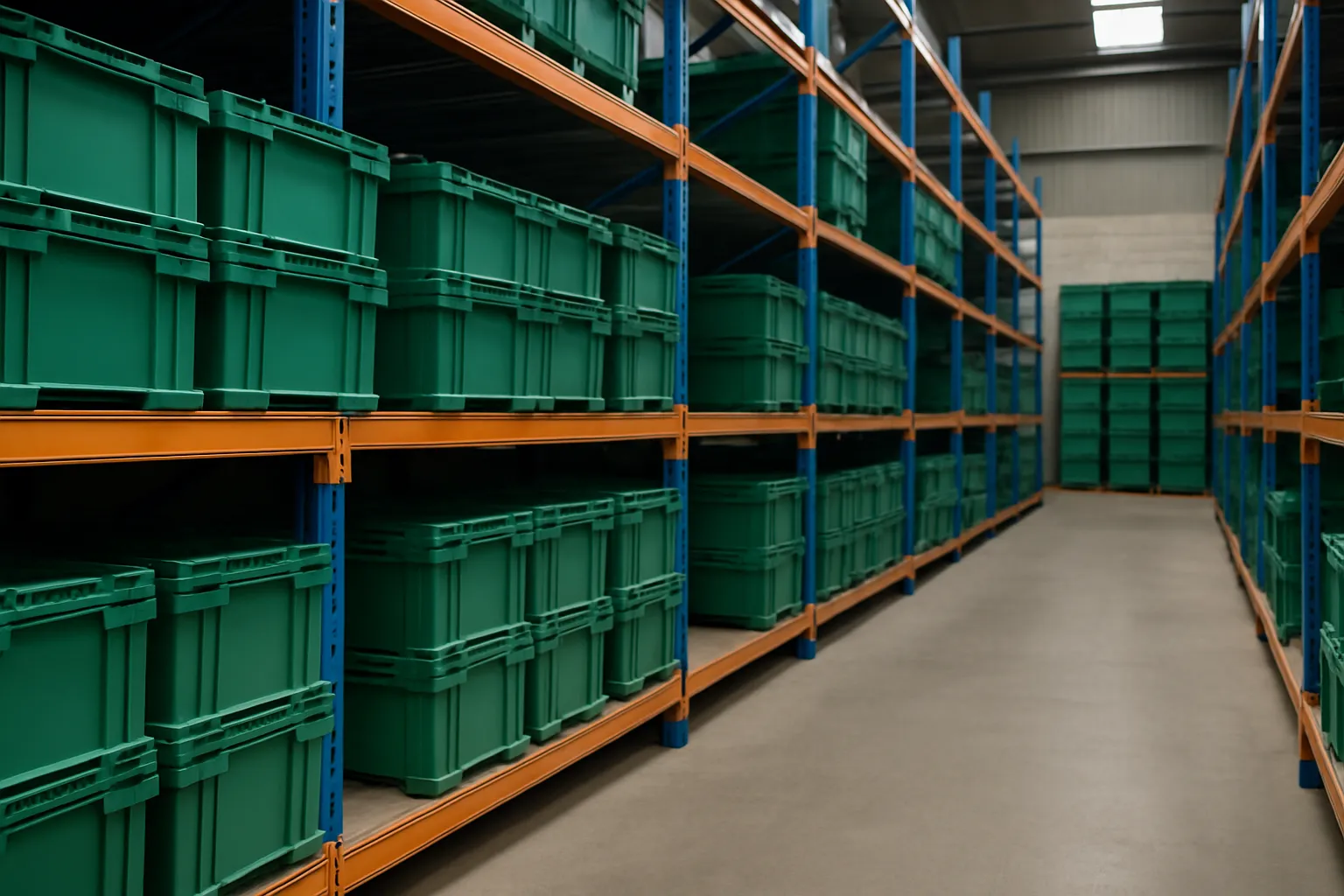
Reusable boxes are designed for uniform stacking, helping you make full use of vertical space on pallets, in racking, and during transit. This increases storage density and reduces wasted floor area — a key win for space-constrained operations.
2. ⏱ Faster Picking and Packing
Standardised container sizes mean fewer adjustments, less fumbling, and smoother workflows for warehouse operatives. Totes fit predictably into pick faces, conveyor systems, and order prep zones — helping staff work faster and more accurately.
3. 🚚 Reduced Product Damage in Transit
Strong, rigid containers provide better protection than single-use packaging. That means fewer damaged goods, fewer returns, and less time spent on repacking or managing claims — all of which slows down warehouse flow.
4. 🔄 Simplified Returns and Reuse Cycles
In closed-loop or supplier-return systems, reusable boxes can be easily sanitised, relabelled, and redeployed — no need to reorder packaging or break down waste. This helps improve turnaround times and reduce admin overhead.
5. ♻️ Supports Automation and Lean Operations
With their consistent shape and structural strength, reusable containers are ideal for use with automated picking systems, vertical lifts, or robotic conveyors. They also enable lean warehouse layouts by reducing clutter and packaging variability.
Ready to Improve Efficiency?
If your warehouse is still relying on throwaway packaging, you’re missing a simple opportunity to streamline operations.
At Reusable Box, we help procurement teams and warehouse managers across the UK and USA make the shift to smarter, longer-lasting storage solutions.
👉 Explore our Warehouse Storage Range
👉 Get in Touch for a Quote
Meeting ESG Targets in the Warehouse: Why Reusables Matter
Meeting ESG Targets in the Warehouse: Why Reusables Matter
As pressure mounts on companies to meet Environmental, Social and Governance (ESG) targets, warehouses and fulfilment centres are being brought into sharper focus. From energy consumption to labour practices, the warehouse is no longer just a back-end operation — it’s a critical part of your sustainability story.
One of the most overlooked — and easily addressable — areas in warehouse sustainability is packaging waste. If your facility still relies on single-use packaging, you’re not only generating unnecessary landfill but missing out on key ESG wins.
Here’s why reusable storage containers are becoming essential for ESG-conscious warehouse operations.
♻️ 1. Environmental Impact Reduction
Traditional cardboard boxes, shrink wrap, and disposable pallets contribute significantly to waste streams. They also require frequent repurchasing and disposal, generating carbon emissions at both ends of their lifecycle.
Reusable containers, on the other hand, can be cycled hundreds of times without degradation — dramatically reducing raw material use, landfill, and CO₂ output. For warehouses reporting on Scope 3 emissions, this matters.
📉 2. Long-Term Cost and Resource Efficiency
ESG isn’t just about environmental wins — it’s about proving operational responsibility. Reusables reduce your dependency on ongoing packaging procurement, improve workflow consistency, and support lean practices.
This results in measurable operational savings, fewer interruptions, and better use of warehouse space — all of which contribute to stronger ESG performance metrics.
📊 3. Transparent Procurement = Stronger Governance
Sustainable procurement is central to the “G” in ESG. Investing in reusable infrastructure shows that your organisation is making responsible, long-term decisions, not just reacting to cost pressures or quick fixes.
Reusable storage solutions are auditable, quantifiable, and traceable — ideal for ESG reporting and compliance.
🌍 4. Aligning with Customer and Investor Expectations
Retailers, manufacturers, and logistics providers are under increasing pressure from clients and stakeholders to demonstrate sustainability. Warehouses that incorporate reusables signal a serious commitment to the circular economy — strengthening your brand position and trust.
✅ 5. Supports Certification and Compliance
Looking to achieve ISO 14001, BREEAM, or other sustainability certifications? Using reusable packaging supports many of the operational and waste reduction requirements found in these frameworks — helping you tick the boxes with ease.
Make Sustainability a Warehouse Standard
Reusable Box helps warehouses across the UK and USA transition from single-use to sustainable storage — delivering solutions that reduce waste, improve efficiency, and support ESG goals without compromise.
👉 Explore our Reusable Storage Range